
Independent engineering studio

Ship like you hired a senior team, because we engineer products agentically.

A spec-driven, multi-agent pipeline does the heavy lifting while senior engineers steer the work and review changes. You get the leverage of agents with the judgment of a team that has shipped for over 20 years.

Agentic product engineering is how we build everything: native iOS apps, Android apps, web apps, and agentic infrastructure. Specialist agents plan, implement, and review each change, and senior engineers who spent over 20 years leading product teams steer it and decide what to actually build. The result ships faster, runs well on its own, and is easy to pick back up on demand, with no black-box handoff and no standing up a full team to get there.

How we work

Built by a pipeline we built

Every app here ships on a fully custom agentic development pipeline we built from scratch. It runs on spec-driven development backed by deep research, a solid multi-agent review pipeline, and some agents that operate on their own, opening their own PRs. It's the studio's thesis applied to itself: design the system well, and a fleet of specialist agents does the work, with us steering, not typing.

  1. Plan

    An idea, posted

    Posting a feature idea triggers an orchestrator that runs 8–10 specialist agents in sequence: PM, architect, UX, UI, frontend, backend, Swift, and a data researcher querying live production data. They hold a threaded conversation; we steer as needed. A synthesis step turns the whole thread into a spec, and approval opens a tracked work item. Pure event-driven.

    Synthesis → spec → tracked work item
  2. Implement

    Spec in, PR out

    An orchestrator reads the work item, picks the sub-agents the job needs (Swift, frontend, backend, test writer, and more), implements it phase by phase, runs the full test suite, and opens a pull request.

    Implements phase by phase → opens a PR
  3. Review

    Reviewers that don't get tired

    Spec, test, and code-quality reviewers run in sequence, each reading the prior findings. The orchestrator pulls in the right specialists to patch issues, pushes, and they re-review, then keep watching after approval. Every agent has its own identity with rotating credentials and a distinct git persona.

    Autonomous reviewers, each with its own git identity
What the pipeline ships

Three apps, one workflow.

Every one of these runs the same agentic, spec-driven pipeline end to end: research, spec, build, multi-agent review, ship.

Youth baseball coaching

Caught Looking

caughtlooking.io
Native iOS + Native Android + Web portal

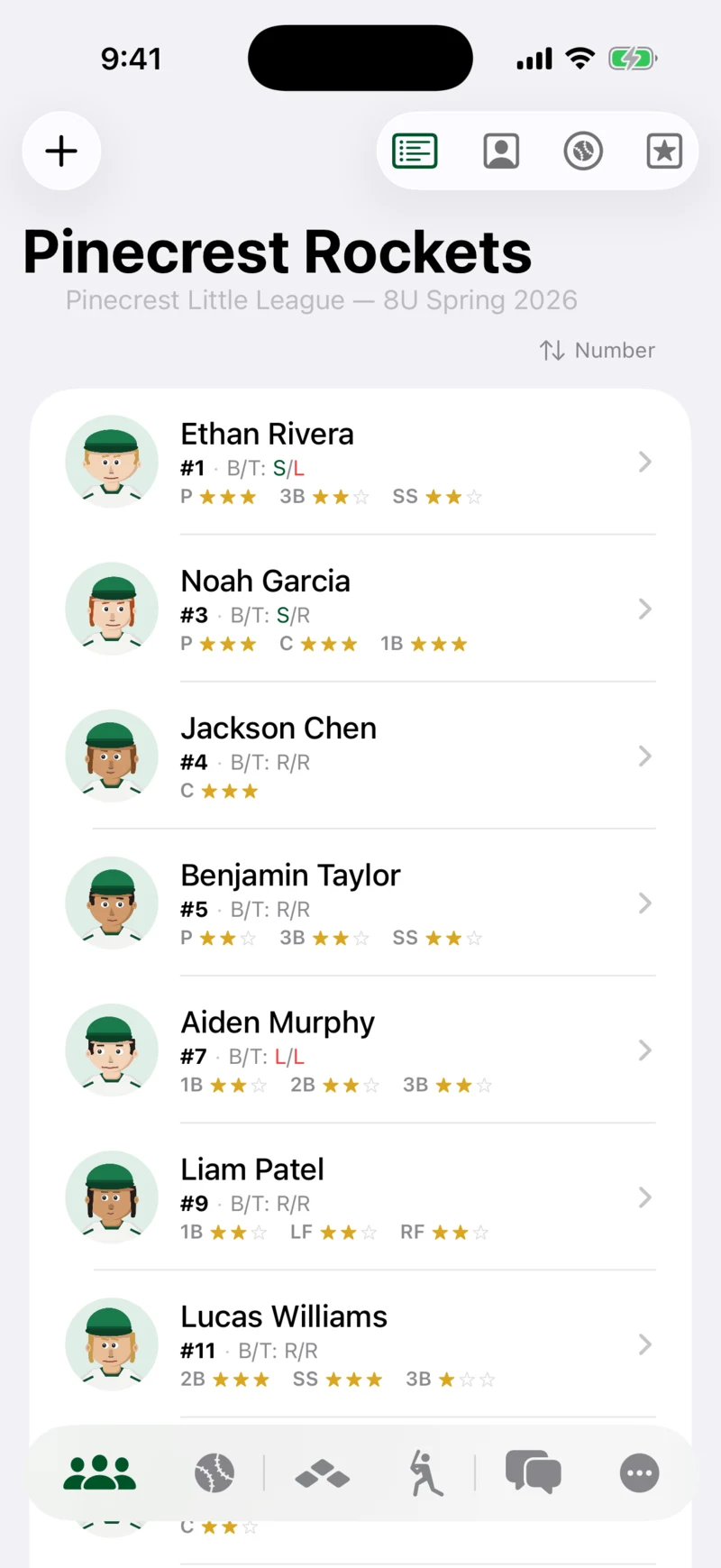
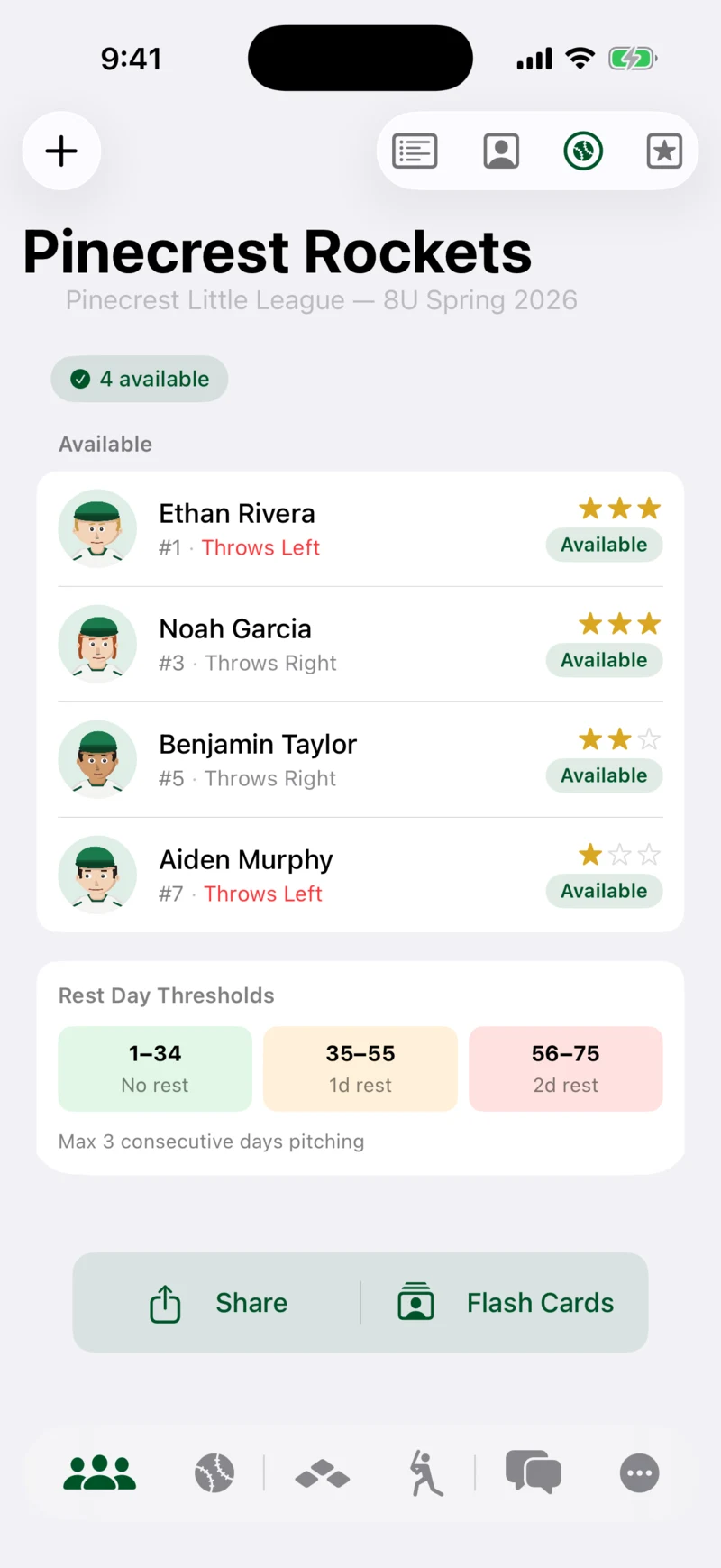
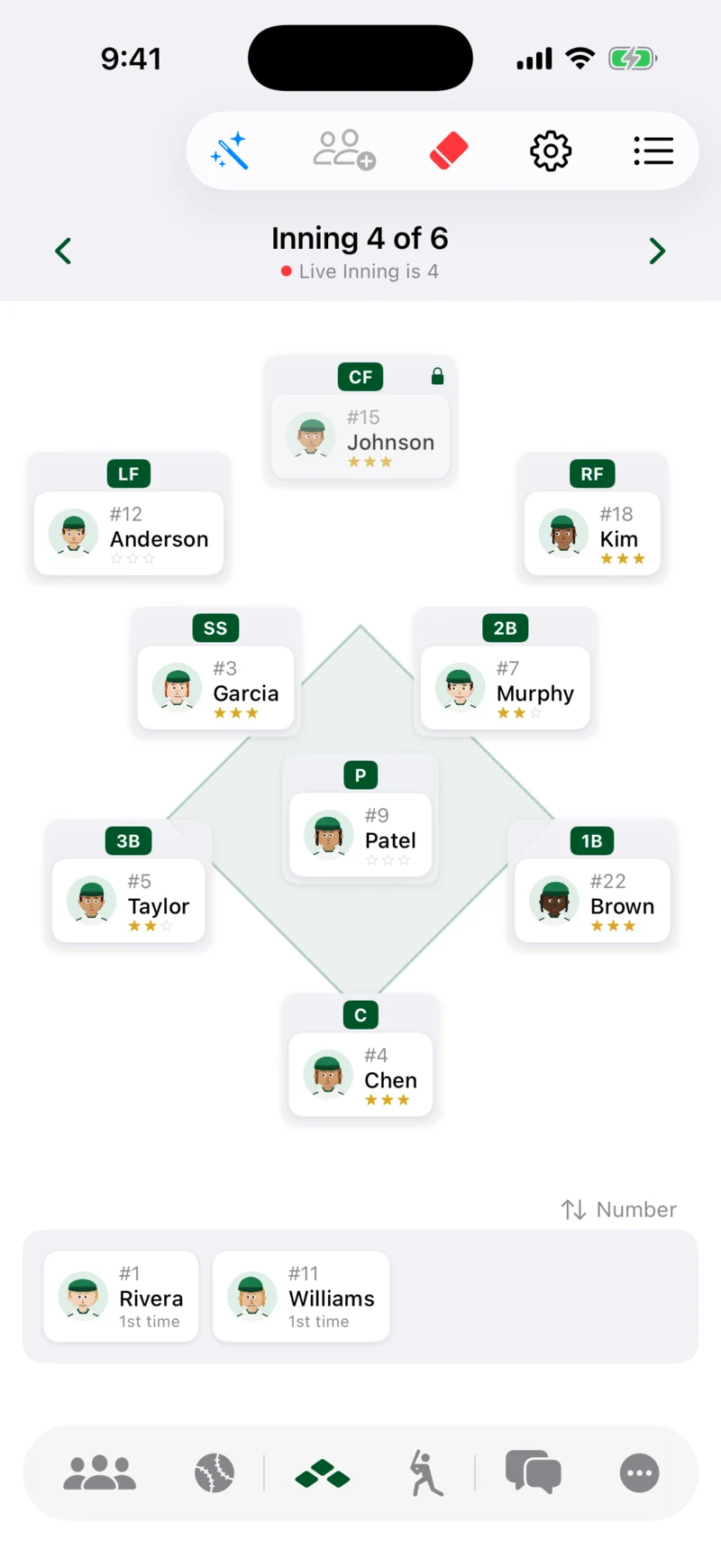
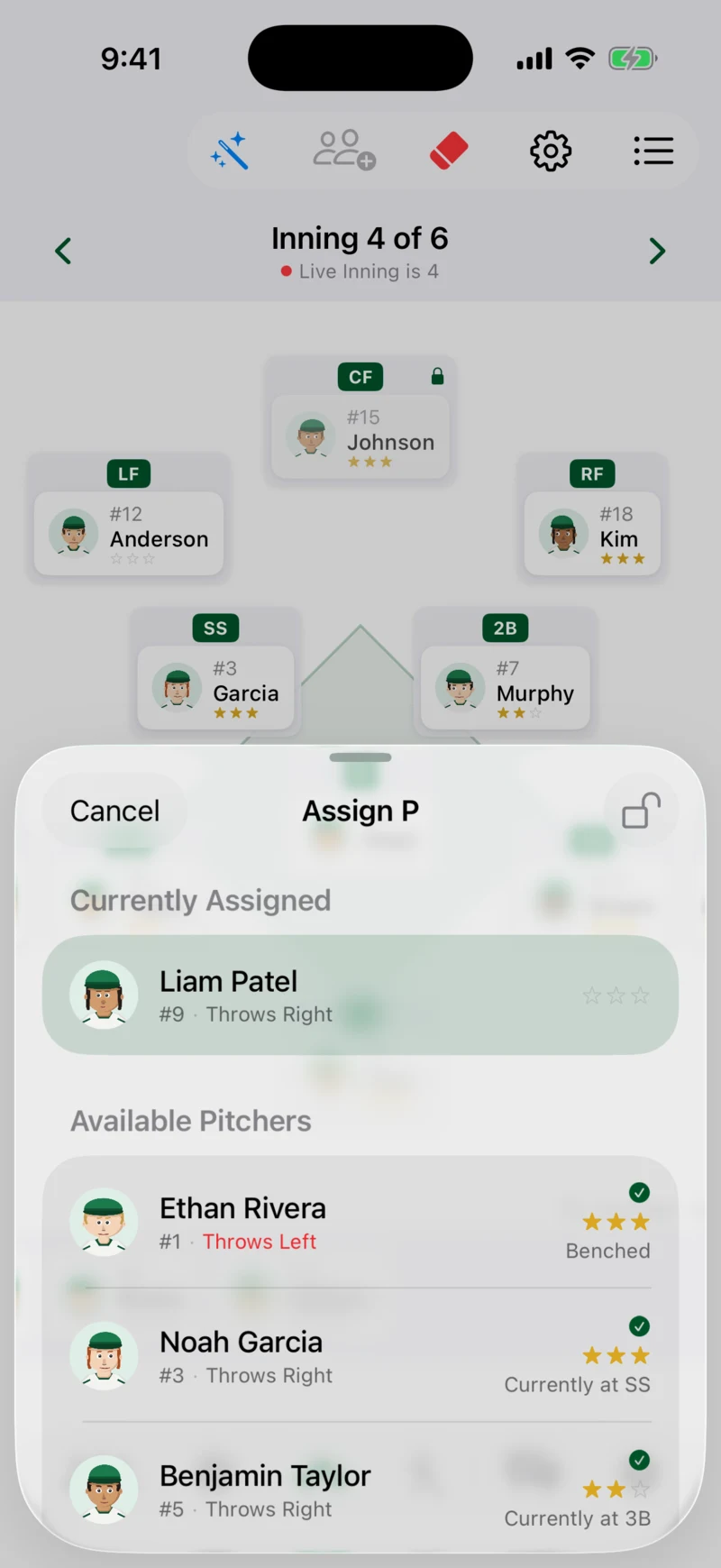
A little league baseball coaching app that takes the busywork out of running a youth team. Coaches manage their roster, then let the app handle the parts that cause sideline headaches: an algorithmic rotation engine that gives every kid fair playing time across positions, automatic batting orders, and season stat tracking, synced live during the game for low-latency inning edits and pitch counts. Parents join with a six-character team code and follow along through a shared public team view, while role-based access (head coach, assistant, parent, player, league admin) keeps everyone in the right lane.

Built for volunteer coaches who'd rather spend their energy on the kids than on spreadsheets, turning "who's playing where this inning?" into something the app just answers.

  • Algorithmic rotation engine for fair playing time
  • Automatic batting orders
  • Live season stat tracking & pitch counts
  • Six-character team code for parents
  • Role-based access across five roles
Swift / SwiftUI · Kotlin / Jetpack Compose · React / Vite / Mantine · Firebase
Caught Looking roster & lineup
Roster & lineup
Caught Looking live rotation engine
Live rotation
Caught Looking season stats
Season stats
Visit Caught Looking
Emotion journaling for kids 6–12

Mood Mates

moodmates.org
iOS · Android · Web

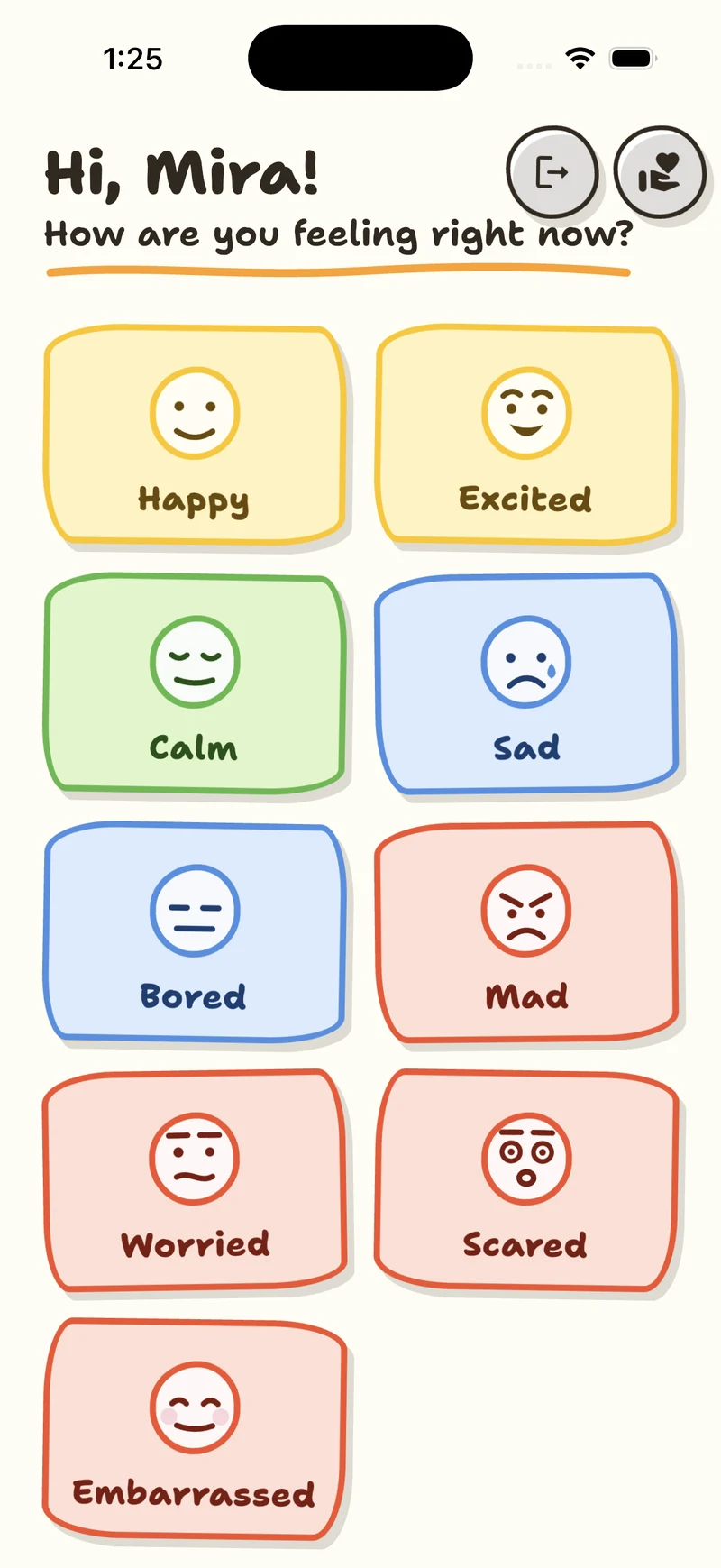
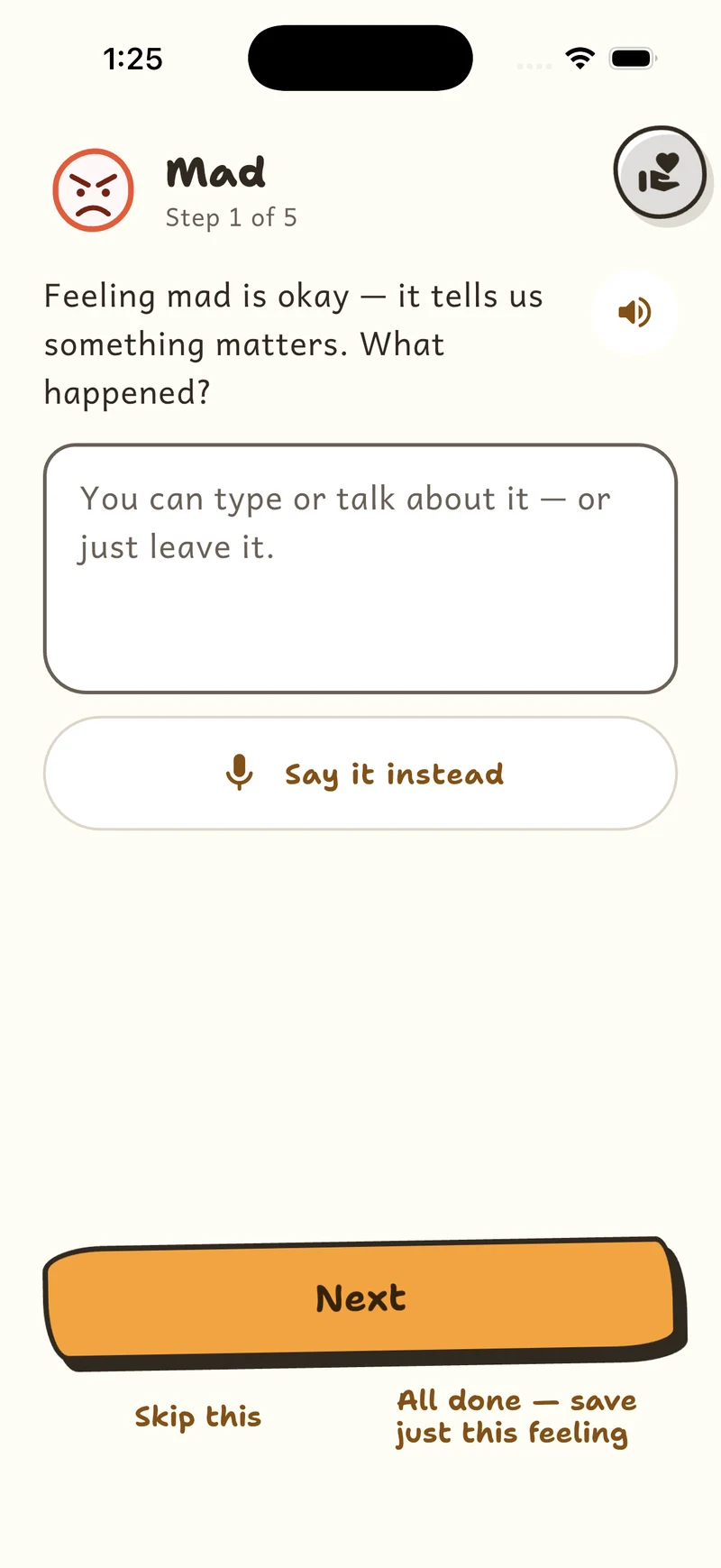
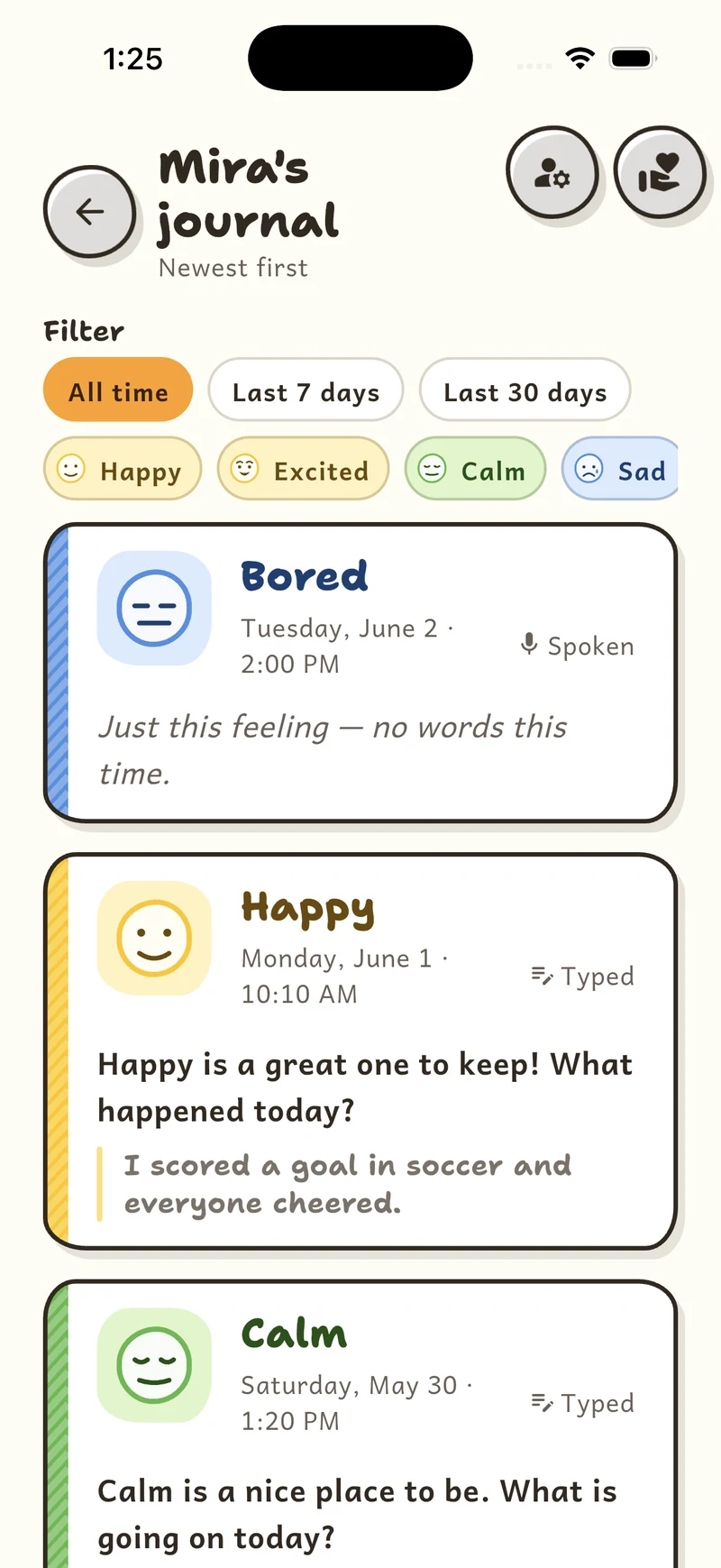
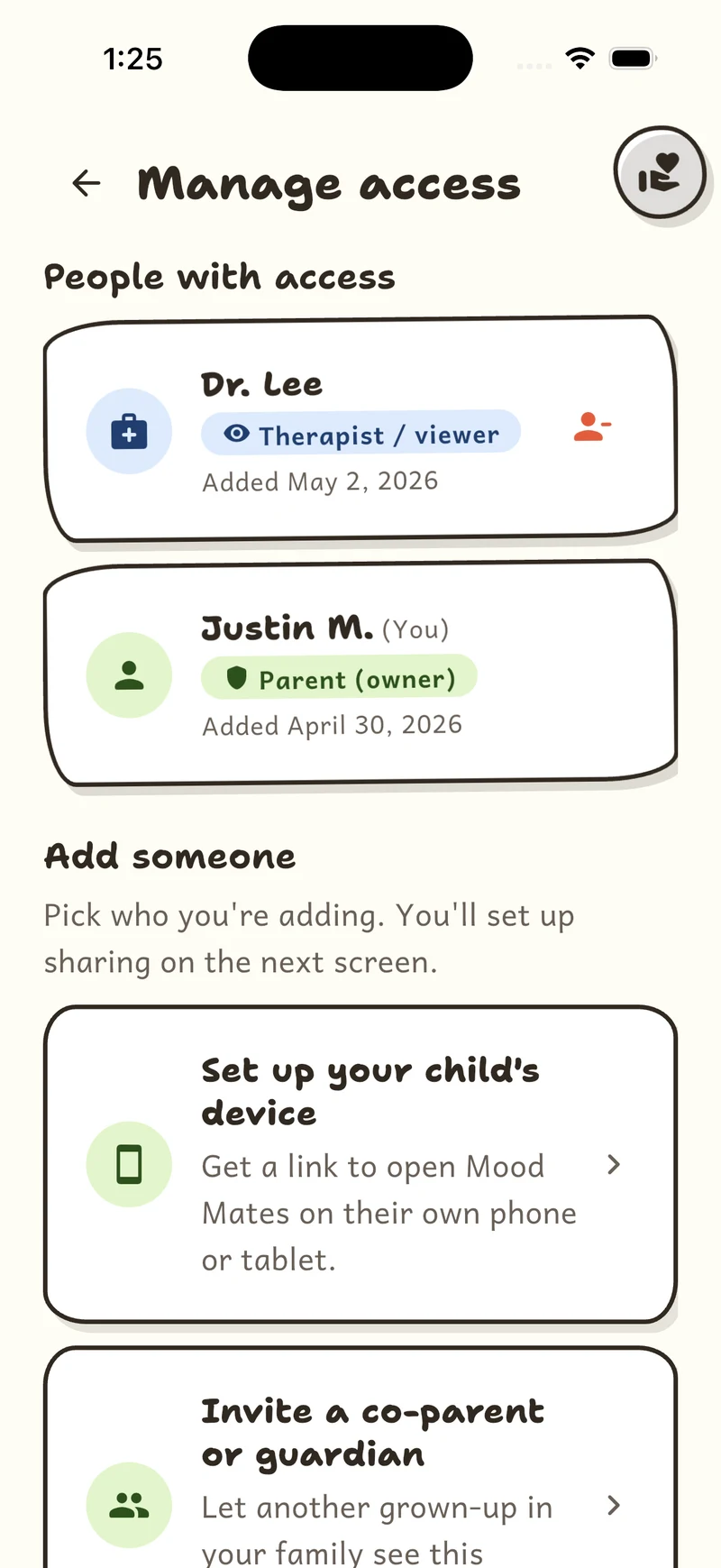
An emotion-journaling app for kids 6–12. Children who struggle to talk about feelings in therapy pick an emotion from a friendly grid and journal, by typing or voice, about what happened, guided by gentle prompts. Parents and an invited therapist follow along on a shared timeline, giving kids a way to capture feelings in the moment and reflect on them later together.

Designed for a young, vulnerable audience with privacy and child safety built in from the start.

  • Friendly emotion grid
  • Journal by typing or voice
  • Gentle guided prompts
  • Shared timeline for parent + therapist
  • Privacy & child safety built in from the start
Flutter (iOS / Android / Web) · Firebase
Mood Mates emotion grid
Emotion grid
Mood Mates journaling with prompts
Guided journaling
Mood Mates shared timeline
Shared timeline
Visit Mood Mates
Countdown to the moments you care about

Attente

apps.apple.com
Native iOS

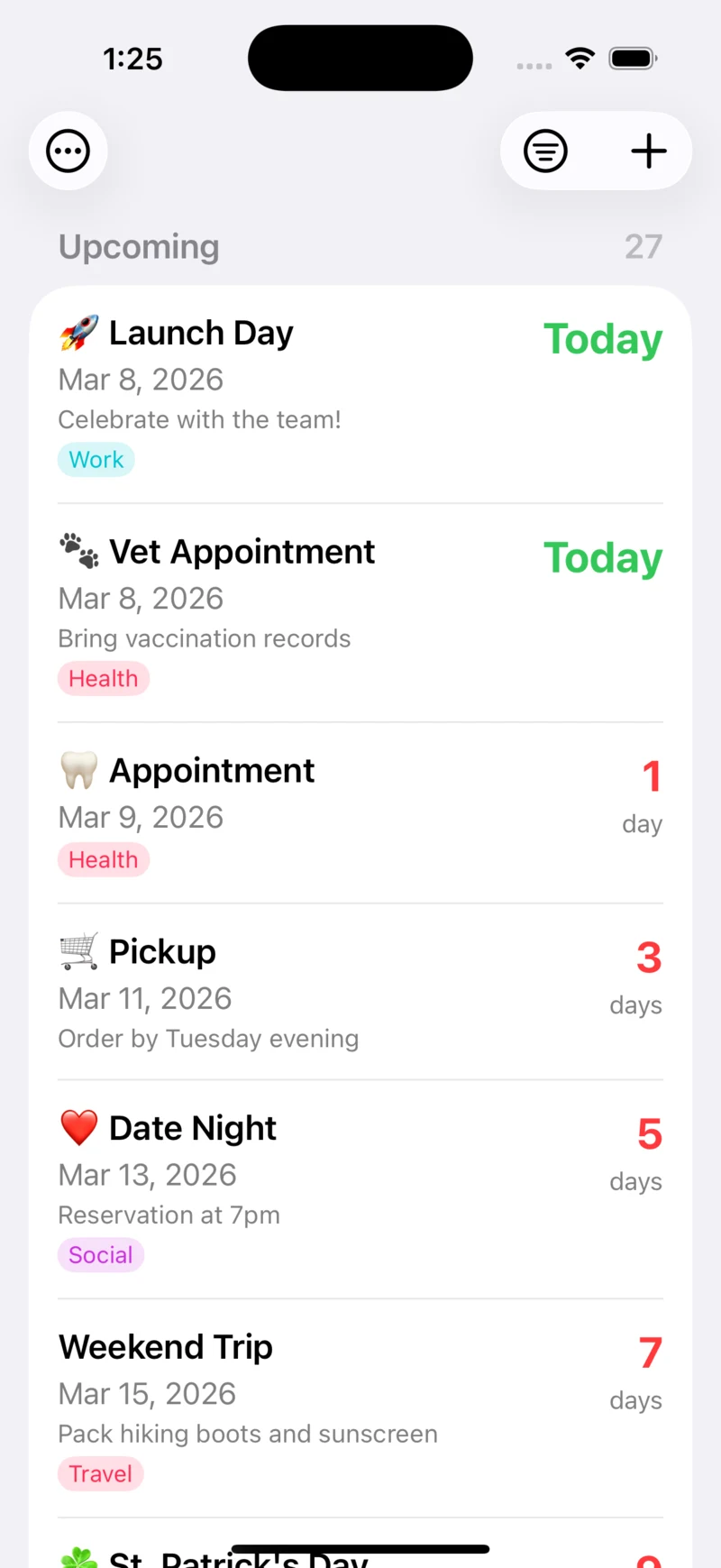
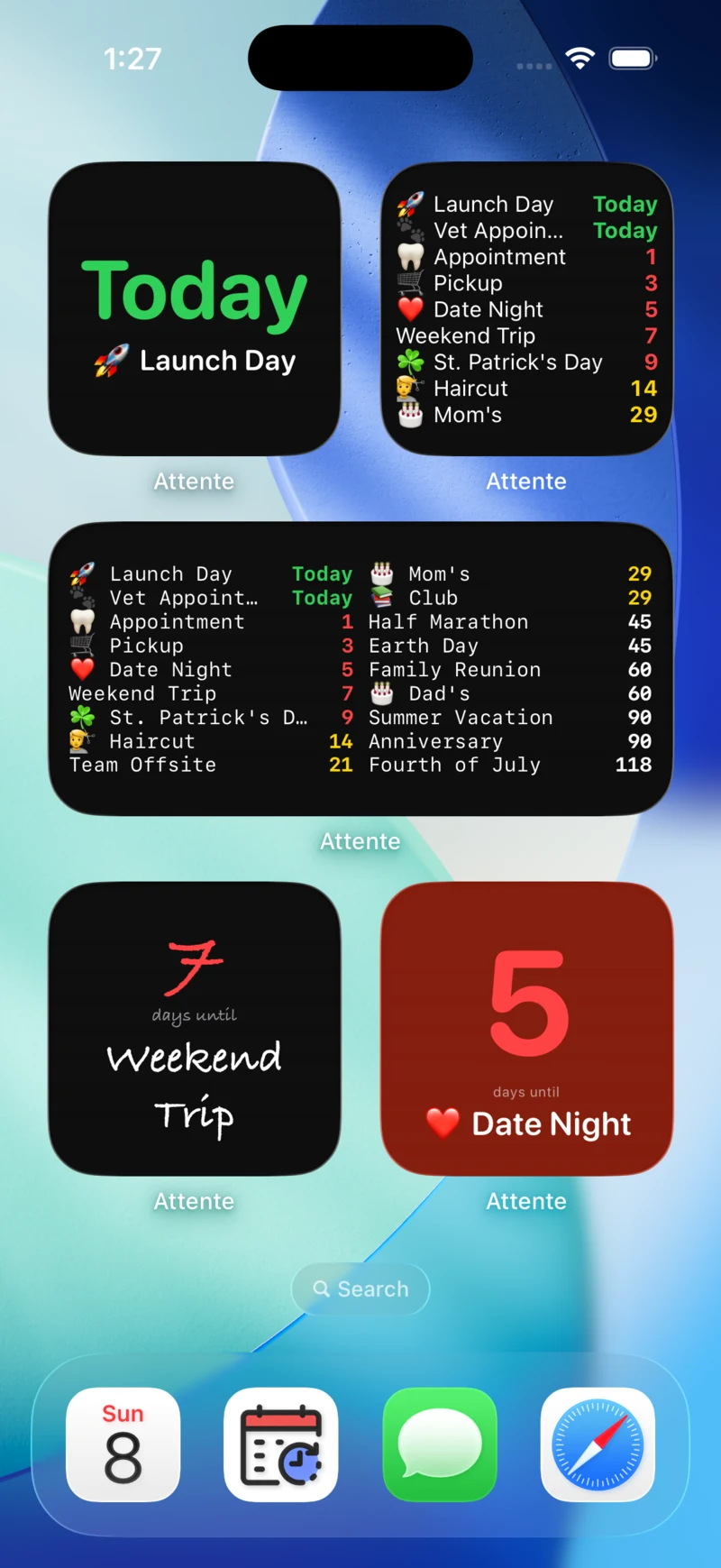
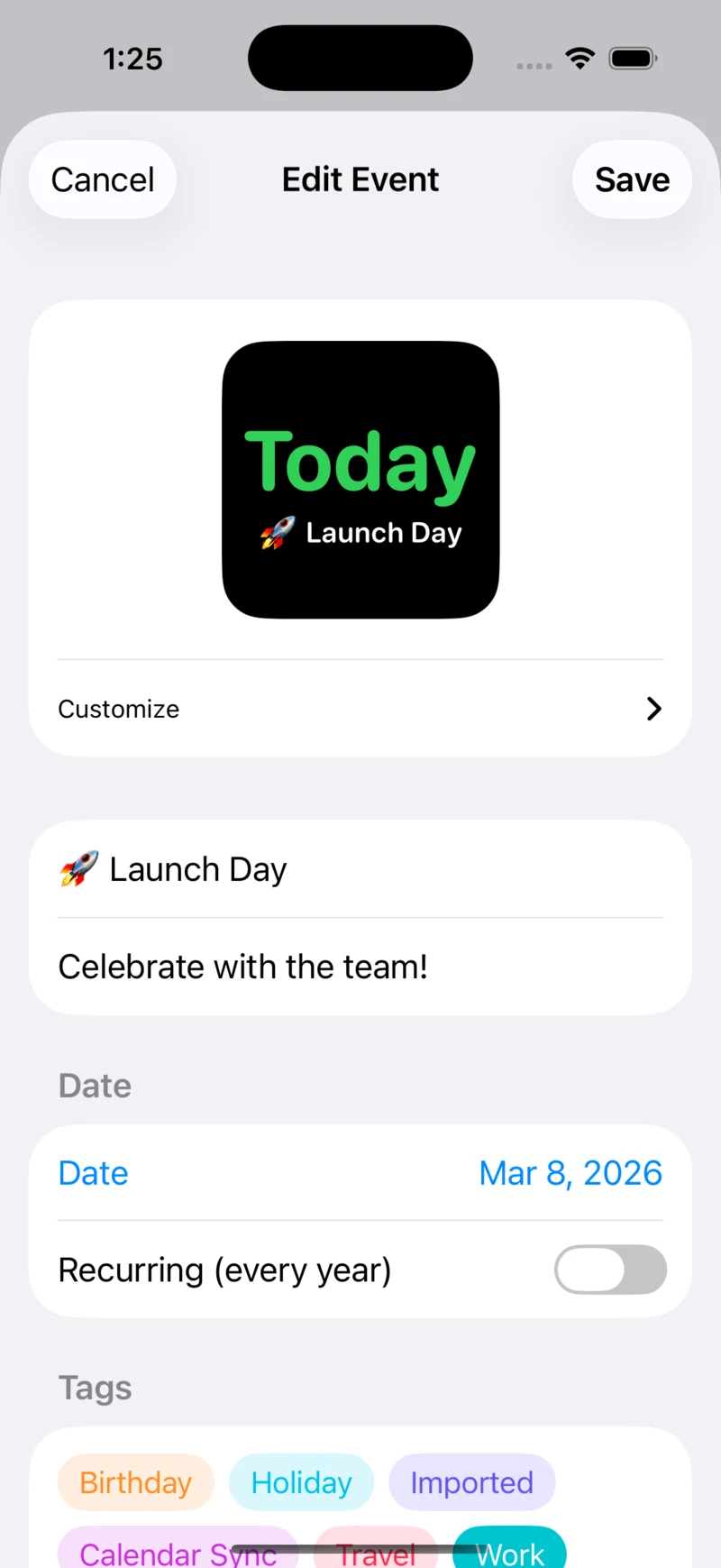
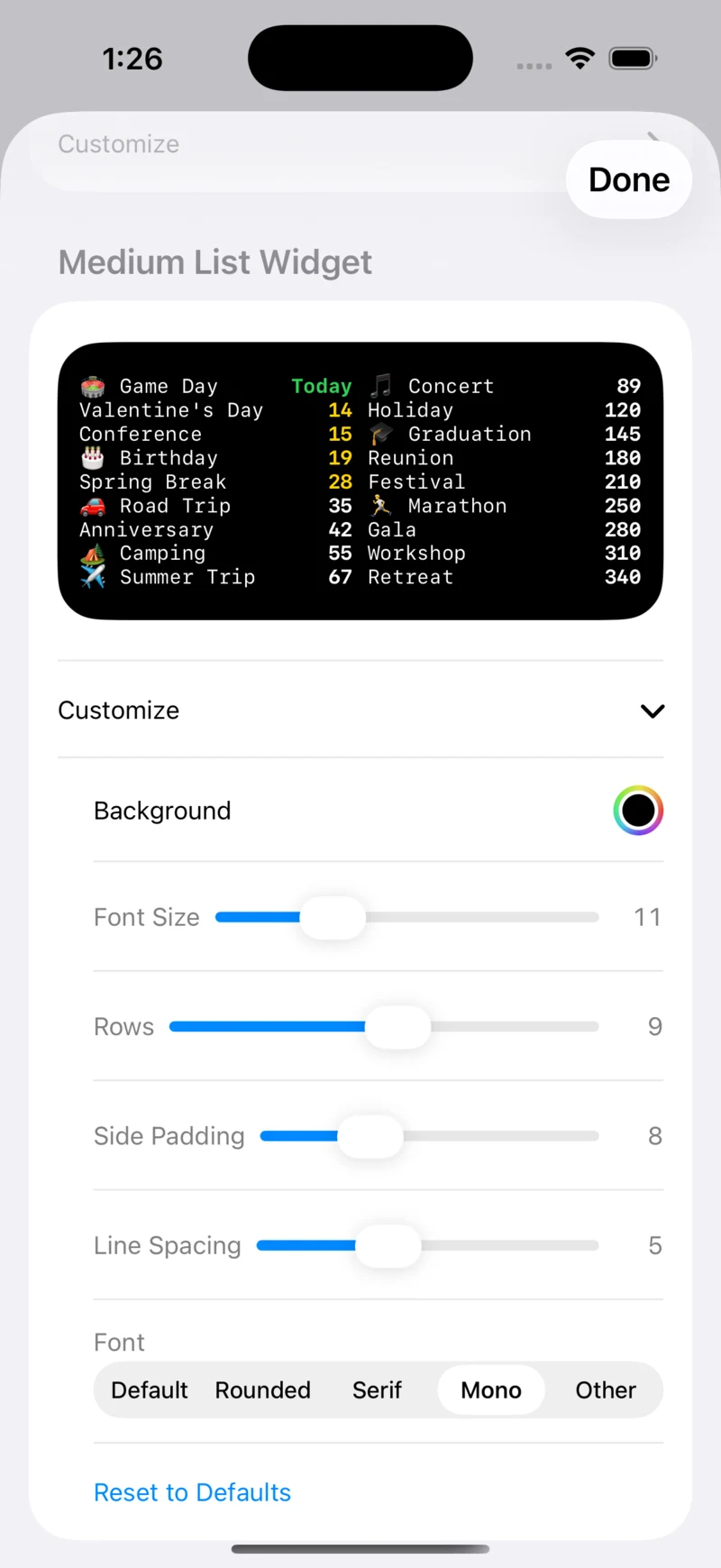
A native iOS app for tracking how much time is left until the moments people care about: birthdays, holidays, vacations, a kid's first day of school. Users add events and see them as a clean, color-coded list counting down the days (or "sleeps"), but the real home is the lock and home screen: customizable widgets let people glance at what's coming without opening the app. Rounded out with reminders, calendar/iCal/Reminders import and auto-sync, tags, recurring events, and sharing.

Built for people who love anticipating things, turning a calendar's "when" into an at-a-glance "how long until."

  • Color-coded countdown list (days or "sleeps")
  • Lock & home screen widgets
  • Reminders + calendar/iCal/Reminders import & auto-sync
  • Tags & recurring events
  • Sharing
Swift / SwiftUI · CloudKit
Attente countdown list
Countdown list
Attente lock & home screen widgets
Widgets
Attente event detail
Event detail
Visit Attente
Get in touch

Let's build your product together.
We bring the system, our agents build it.

Have a product worth building, or curious how the pipeline works?

hello@fakewaffle.com